
Fisherman’s Rib Stitch: Your Simple Step Toward Brioche Knitting
Love the look of brioche but not the fuss? The Fisherman’s Rib Stitch makes it simple. Step-by-step tutorials, tips, and fixes for cozy success every time.
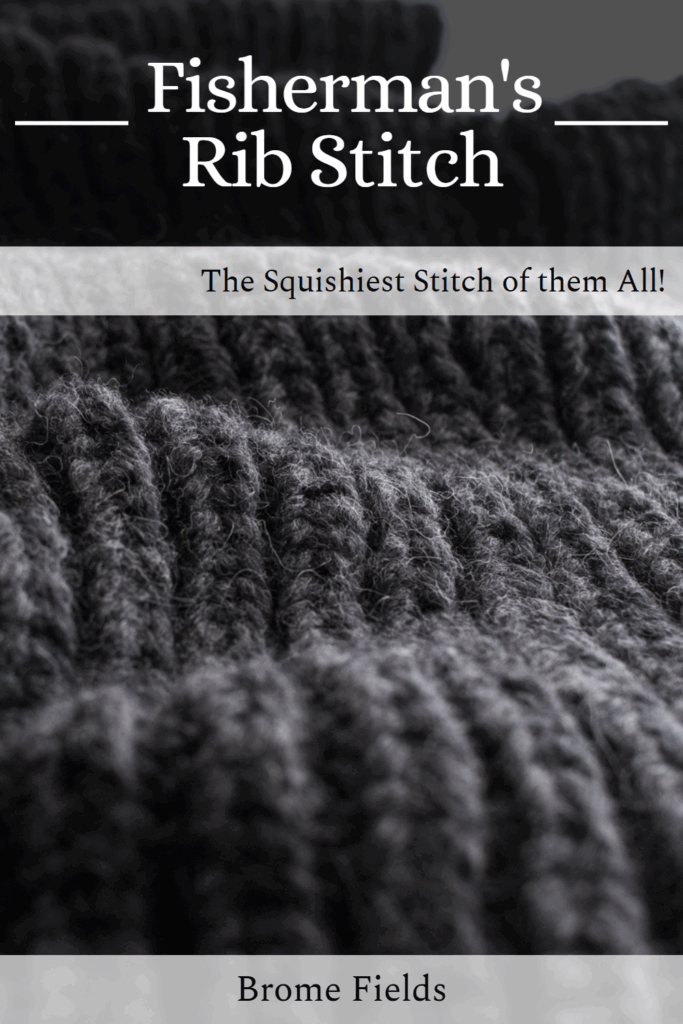
Want to knit the squishiest stitch of your life? Meet the Fisherman’s Rib Stitch! It’s soft, warm, and oh-so cozy. At first glance, it looks like brioche, but once you get started you’ll see it’s built from the simplest steps. Think of it as the shortcut that still gives you all the squish. That’s what makes it so inviting — you can create a thick, reversible fabric with tons of texture without needing advanced techniques. In this tutorial, we’ll knit it flat and in the round, plus I’ll share tips and tricks to help you stay confident and enjoy the process. So grab some yarn you love, and let’s dive in!
✨I’ll be honest, I skipped right over this stitch when I was filming my 100 Days of Knit Stitches series because I thought it was just another name for brioche! Turns out, it deserves its own spotlight.
What Is the Fisherman’s Rib Stitch?
The Fisherman’s Rib Stitch is a classic knitting stitch that creates a fabric full of bounce, squish, and stretch. At first glance, it looks just like brioche, which is why many knitters think of it as “brioche’s easier cousin.” But while brioche uses yarnovers and slipped stitches, Fisherman’s knit rib stitch is worked with one simple move: knitting into the stitch below. That tiny adjustment transforms a basic rib into a thick, fluffy fabric that feels like a soft hug.
A Squishy, Brioche-Like Fabric
The Fisherman’s Rib Stitch is known for its thick, lofty texture that looks almost identical to brioche. The difference? It’s much simpler to knit. Instead of yarnovers and slipped stitches, you use a small variation on your knit stitch to get the same cozy look.
How It’s Worked
The key to Fisherman’s Rib is knitting into the stitch below. That one small change transforms regular ribbing into a plush, bouncy fabric with incredible stretch and softness. If you can knit and purl, you can knit this stitch.
Why Knitters Love It
What makes this stitch so special is its texture and versatility. The fabric is completely reversible, which means both sides look the same. Perfect for scarves, cowls, and blankets where both sides will show. It also lays flat without curling, making it a favorite for projects that need structure and drape. Best of all, it’s beginner-friendly. Even though it looks a lot like brioche, the technique is much simpler.
✨ Another honest moment… I didn’t fall in love with it until I finished my Misty Dewdrop Blanket and I could wrap up in it! Then it was love at first snuggle. ;)
Why Knit Fisherman’s Rib? (Pros of This Stitch)
Squishy, Thick, and Cozy
Fisherman’s knit rib stitch creates a fabric that’s full of bounce and softness. It feels almost like a built-in cushion, making it perfect for cold-weather knits like scarves, sweaters, and blankets.
Reversible on Both Sides
This stitch looks the same front and back, which means you never have to worry about showing the “wrong” side. It’s ideal for projects like scarves, cowls, and throws where both sides will be visible.
No Curling at the Edges
Unlike stockinette, Fisherman’s Rib lays flat, so you don’t have to add a border or worry about rolling edges. That’s a big win for both beginners and seasoned knitters.
Beginner-Friendly Brioche Look
While it has the same plush look as brioche, the technique is simpler. Instead of yarnovers and slipped stitches, you only need to know how to knit into the stitch below. If you can knit and purl, you can knit Fisherman’s Rib.
What to Know Before You Start (Challenges + Fixes)
It Uses More Yarn
Fisherman’s Rib creates a thick, lofty fabric — but that squish comes at a cost. It typically uses 30–50% more yarn than stockinette or standard ribbing. Plan ahead and buy an extra skein or two so you don’t run short mid-project.
It’s Slower to Knit
Since you’re knitting into the stitch below, each row takes a little longer to complete. Think of it as a meditative stitch that rewards you with a beautiful fabric. Slow doesn’t mean hard — just give yourself time to enjoy the process.
Gauge Can Be Tricky
This stitch compresses vertically and stretches horizontally, which can make swatching a little confusing. Knit a larger swatch than usual and measure over the center (not the edges). Gently stretch it before counting stitches to get a more accurate gauge. When I knit my first blanket in this stitch, I had to stop and tug on the fabric a few times to get the stitches to relax into place, don’t be afraid to do the same!
Mistakes Are Harder to Fix
Because each knit stitch pulls from the row below, frogging or tinking back can be tricky. Dropping a stitch can also feel daunting. The fix? Use lifelines often, and don’t be afraid to place them every few inches if you’re working on a larger project. They’ll save you loads of stress.
Tension Matters
With bulkier yarns or looser knitting styles, the top stitch sometimes won’t settle neatly into place. If you notice this happening, try a smaller needle size or a firmer tension to help the stitches “sit” correctly. A quick tug on your swatch (both vertically and horizontally) can also help the fabric relax into shape.
How to Knit Fisherman’s Rib: Step-by-Step Tutorial
Fisherman’s Rib Stitch Knit Flat
CO an ODD number of stitches.
Set-Up Row (WS): *K1, P1* last stitch, K1
Row 1 (RS): K1, *K1B, P1* last 2 stitches, K1B, K1
Row 2 (WS): K1, *P1, K1B* last 2 stitches, P1, K1
Repeat rows 1-2 until desired length.
Ending on a right side row.
With the wrong side facing you, bind-off in the K1, P1 rib stitch.
Weave in the ends.
Gently block or steam-block lightly, if desired.
💡 Tip: To “knit 1 below,” insert the right needle into the stitch directly below, knit it as usual and then let both loops slide off together.
✨ Once you see it a few times, it just clicks. For me, it quickly became one of those soothing, meditative stitches I can knit on autopilot, but not with my eyes closed. ;)
Fisherman’s Rib Stitch Video Tutorial
Fisherman’s Rib Stitch Knit in the Round
The Fisherman’s Rib Stitch isn’t just for blankets and scarves. You can knit it seamlessly in the round too! Try my Fisherman’s Rib Stitch Knit in the Round tutorial for hats, cowls, and more.
Knitting Abbreviations
* – * – repeat between the asterisks
BO – bind-off in pattern
CO – cast-on (long-tail cast-on method)
K – knit stitches (K1 means to knit 1 stitch)
K1B – knit 1 stitch into the row below
P – purl stitches (P2 means to purl 2 stitches)
P1B – purl 1 stitch in the row below
RS – right side
STS – stitches
WS – wrong side
Common Beginner Questions
- Do I always knit below? Yes — once your setup row is complete, every knit stitch is worked into the stitch below.
- Why does my fabric look uneven? Give it a gentle tug vertically and horizontally — the stitches will settle into place.
- What if I drop a stitch? Don’t panic. Because of the “knit below,” dropped stitches may look messy. Use a crochet hook to ladder it back up or rely on lifelines for safety.
Scarves and Cowls
Because Fisherman’s knit rib stitch is completely reversible, it’s a natural fit for scarves and cowls. Both sides look identical, so you never have to worry about hiding a “wrong” side. Plus, the extra squish factor makes them feel like a warm hug around your neck.
Hats and Beanies
The thick, stretchy fabric of Fisherman’s Rib makes for cozy, fitted hats that don’t lose their shape. The ribbing also helps them hug your head without being too tight, which is great for everyday wear.
Sweaters and Cardigans
For garments, Fisherman’s Rib creates a plush, textured fabric that’s extra warm and comfortable. It works beautifully for oversized sweaters and cardigans where the squishiness becomes part of the design.
Save this pattern for later!
Blankets and Throws
This stitch’s thickness and reversibility also shine in larger projects like blankets. The extra yarn is worth it — you’ll end up with a squishy, bouncy fabric that’s just as beautiful draped across a couch as it is wrapped around your shoulders.
This is where my love story with Fisherman’s Rib really began…
Spotlight: Misty Dewdrop Blanket
Can’t Knit Just One… Free Bulky Blanket Pattern Everyone Will Steal!
The Misty Dewdrop Blanket is everything you want in cozy knitting — soft, squishy, and light as a cloud. Knit in Fisherman’s Rib with a lofty merino–alpaca blend, it’s warm enough to cocoon yet airy enough to breathe. Perfect for misty mornings or slow evenings, this blanket will quickly become your favorite. Just be warned: once you make one, everyone who touches it will want one too!
👉 Get the FREE Misty Dewdrop Blanket knitting pattern.
🧶 Prefer a clean, printable version? Grab the ad-free PDF here. Includes all 14 sizes in one easy-to-read format.
Fisherman’s Rib vs Brioche: What’s the Difference?
Same Squishy Fabric
Both Fisherman’s Rib and Brioche create that thick, plush, reversible fabric knitters love. They look nearly identical when finished, which is why many people mix up the two.
Different Techniques
The big difference is in how they’re worked.
- Fisherman’s Rib uses a simple “knit 1 below” stitch, paired with purls, to create depth.
- Brioche uses yarnovers and slipped stitches, which can feel more complicated for beginners.
Which Is Easier to Learn?
Fisherman’s Rib is often considered the beginner-friendly path to brioche. If you can knit and purl, you can knit Fisherman’s Rib. Brioche takes more practice but offers more flexibility, especially for multi-color designs.
When to Use Each Stitch
- Choose Fisherman’s Rib for simple, cozy projects where texture is the star (like scarves, cowls, or blankets).
- Try Brioche when you’re ready to explore more color play and stitch variations.
Tips for Success With Fisherman’s Rib Stitch
Swatch Larger Than Usual
Fisherman’s Rib has a lot of stretch, which can make gauge tricky. Knit a bigger swatch than normal, measure across the middle, and give it a gentle stretch to see how your stitches behave.
Choose Smooth Yarn
Because this stitch is built by knitting into the row below, smooth yarn makes it easier to see where to place your needle. Save fuzzy or textured yarns for when you’re more comfortable with the technique.
Use Lifelines Generously
Mistakes in Fisherman’s knit rib stitch are harder to fix than in stockinette. A lifeline — a scrap piece of yarn threaded through your stitches — makes it easy to rip back without losing progress. Add one every few inches on bigger projects for peace of mind.
Relax Your Tension
The stitch can look uneven if your tension is too tight or loose. Try to knit with a relaxed hand and let the fabric settle. A quick tug vertically and horizontally after a few rows helps the stitches “fall into place.”
Plan for Extra Yarn
Fisherman’s Rib is squishy because it eats up more yarn. Plan to buy at least one extra skein so you don’t run out mid-project.
Final Thoughts… Cozy Confidence With Fisherman’s Rib Stitch
Fisherman’s Rib is one of those stitches that looks impressive but feels wonderfully simple once it’s on your needles. With just knit and purl — plus the little trick of knitting into the stitch below — you can create fabric that’s squishy, reversible, and endlessly cozy.
Whether you’re knitting your first scarf, tackling a blanket, or adding texture to a sweater, this stitch has a way of building both warmth and confidence. It invites you to slow down, enjoy the process, and celebrate every squishy row along the way.
So grab your yarn, cast-on, and let Fisherman’s Rib show you just how easy it can be to make something that feels extraordinary. And when you’re ready for your next project, try the Misty Dewdrop Blanket — it’s the perfect place to put your new skill into practice.
Fisherman’s Rib Stitch FAQ
Is Fisherman’s Rib the same as Brioche?
Not quite! Both stitches create a thick, squishy fabric that looks very similar. Fisherman’s Rib is worked by knitting into the stitch below, while brioche uses yarnovers and slipped stitches. Fisherman’s Rib is generally considered the easier, beginner-friendly option.
Does Fisherman’s Rib use more yarn?
Yes — usually about 30–50% more than stockinette or standard ribbing. The extra yarn is what gives the stitch its incredible loft and bounce. Plan to buy an extra skein so you don’t run short.
Is Fisherman’s Rib reversible?
Absolutely. Both sides of the fabric look the same, making it perfect for projects like scarves, cowls, and blankets where both sides are visible.
What’s the difference between Fisherman’s Rib and Half Fisherman’s Rib?
Full Fisherman’s knit rib stitch is worked by knitting into the stitch below on every knit stitch. Half Fisherman’s Rib alternates between regular knit stitches and “knit below” stitches, creating a slightly flatter but still textured fabric.
Is Fisherman’s Rib good for beginners?
Yes! If you can knit and purl, you can knit Fisherman’s Rib. It looks complex but is built from simple stitches, making it a wonderful confidence booster for newer knitters.
My Journey With the Fisherman’s Rib Stitch
When I first created my 100 Days of Knit Stitches series (which is 100 video tutorials!) I skipped right past the Fisherman’s Rib. Honestly, I wasn’t brave enough to try it. I even shared the brioche stitch in that series, and in my mind, the two stitches were interchangeable. I thought Fisherman’s Rib was just another name for brioche.
It wasn’t until I designed the Misty Dewdrop Blanket that I gave this stitch its proper spotlight. That blanket was my first Fisherman’s Rib pattern, and it completely changed my mind. The fabric turned out squishy, warm, and unbelievably cozy. Now I find myself dreaming up new patterns with it — a poncho, scarf, tank top, cowl… there are so many possibilities.
Because I had already knit brioche, Fisherman’s Rib came easily to me. It’s simple to memorize, soothing to work on, and relaxing in a way that invites you to slow down. I’ll admit — I wasn’t in love with it while knitting my blanket. The real payoff came when I bound off, wrapped it around my shoulders, and felt that first soft snuggle. That was the moment I fell head over heels for this stitch.
If you’re ready to try it for yourself, here’s my best advice: make sure you feel confident telling the difference between knit and purl stitches. Practice with a yarn color that’s easy to see (skip the black yarn for this one!) and learn how to recognize and fix a twisted stitch. Once you’ve got those basics, you’re ready for Fisherman’s Rib Stitch — and I think you’ll love it as much as I do.
👉 Get the FREE Misty Dewdrop Blanket knitting pattern.
🧶 Prefer a clean, printable version? Grab the ad-free PDF here. Perfect for printing, gifting, or knitting offline.
Stay warm & cozy,
Jennifer
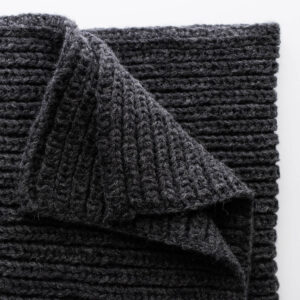
Fisherman’s Rib Stitch Knit Flat
Equipment
- Knitting Needles (Recommended Size for Yarn)
Materials
- Any Yarn
Instructions
- Cast-on an odd number of stitches.
- Set-Up Row (WS): *K1, P1* last stitch, K1
- Row 1 (RS): K1, *K1B, P1* last 2 stitches, K1B, K1
- Row 2 (WS): K1, *P1, K1B* last 2 stitches, P1, K1
- Repeat rows 1-2 until desired length.
- Ending on a right side row.
- With the wrong side facing you, bind-off in the K1, P1 rib stitch.
- Weave in the ends.
- Gently block or steam-block lightly, if desired.
Abbreviations
- *-* – repeat between the asterisks
- BO – bind-off in pattern
- CO – cast-on (long-tail cast-on method)
- K – knit stitches (K1 means to knit 1 stitch)
- K1B – knit 1 stitch into the row below
- P – purl stitches (P2 means to purl 2 stitches)
- RS – right side
- STS – stitches
- WS – wrong side